fundatabak

Project Manager Resume: Essential Tips

Crafting an Impressive Project Manager Resume: Essential Tips

Are you a project manager searching for a new job opportunity? Crafting an impressive project manager resume is the first step to showcasing your skills and grabbing the attention of potential employers. As a project manager, your resume is your first impression on potential employers. However, if your resume doesn’t effectively communicate your skills and experience, it may be getting lost in the pile of other applicants. In this competitive job market, it’s crucial to have a well-crafted project manager resume that stands out and captures the attention of hiring managers. So, let’s dive into how you can create a winning project manager resume that will land you the job you deserve. Here are some essential tips to help you craft a powerful project manager resume that stands out from the competition. Highlight Your Soft Skills in the Skills Section While technical skills are important, soft skills are equally critical for a project manager’s success. Therefore, in the skills section, include a list of your soft skills, such as leadership, communication, teamwork, problem-solving, and time management. For example, rather than stating, ❌ “Led a team to complete a project on time,” you could write, ✅ “Demonstrated strong leadership skills to lead and motivate a team of ten members, resulting in the completion of a project on time and within budget.” Pro tip: Resumes should be written in the third person and should not contain personal pronouns.  Use Action Verbs and Bullet Points When describing your work experience, use action verbs and bullet points to make it easy to read and understand. Start each bullet point with an action verb that describes the task you performed, followed by a result. For instance, Instead of writing ❌ “Responsible for planning and executing projects,” Write below: ✅ “Planned and executed multiple projects, resulting in a 25% increase in revenue for the company.” Tailor Your Project Manager Resume to the Project Management Job Description Every project management job has specific requirements, and it’s essential to tailor your resume to fit the job description. Carefully read the job posting, identify the required skills and experience, and ensure that your resume highlights your relevant skills and experience. Include Relevant Project Management Experience List your project management experience and highlight the relevant experience that matches the job description. You can also include your years of experience in project management and your level of expertise, such as a senior project manager or project management professional.For example; ✅ “Managed cross-functional teams to deliver complex projects, including project planning, budgeting, and risk management, with over 10 years of project management experience.” Include a Project Manager Resume Summary Include a project manager resume summary at the top of your resume that briefly highlights your skills, experience, and accomplishments. It should be a brief paragraph that summarizes your qualifications and experience. For instance, ✅ “Proven project manager with ten years of experience managing multimillion-dollar projects across various industries. Demonstrated expertise in leading teams, project planning, risk management, and successful project delivery.” Tips for Writing a Project Management Resume Click here to get the full list: 50 buzzwords and skills to use in your project manager resume. One important tip for job seekers looking for their first or next project management position is to use relevant keywords when conducting their job search. This means searching for skills you have learned or acquired in your current or past roles, and including them in your search terms. It can also help you tailor your project manager resume to highlight these skills. If you’re a fresh graduate and starting your project management career, don’t let the requirement for direct project management experience hold you back from applying for related roles. Even if the job title doesn’t explicitly mention project management, you may still have transferable skills that would make you a good fit for the position. Taking a project management certification course can also be a great way to identify and showcase your existing skills. In this link you can find some free e-learning materials by PMI By learning about project management best practices and terminology, you’ll be better equipped to translate your previous experience into relevant qualifications for a project management role. Be sure to update your project manager resume accordingly to reflect your newly acquired knowledge and skills. In conclusion, a well-crafted project manager resume is essential to showcase your skills and experience to potential employers. Highlight your soft skills, use action verbs and bullet points, tailor your resume to the job description, include relevant experience, and add a project manager resume summary. Follow these tips, and you’ll have a powerful resume that stands out and catches the eye of hiring managers. If you don’t know where to start, here is a free template to work on.
Project Manager Resume: Essential Tips Read More »

How the Google Project Management Certificate Can Help You Achieve Your Career Goals

How the Google Project Management Certificate Can Help You Achieve Your Career Goals

Are you looking to advance your career in project management? Do you want to gain the necessary skills and knowledge to become a successful project manager? Look no further than the Google Project Management Certificate. This article will discuss the benefits of earning the Google Project Management Certificate. I’ll also help you achieve your career goals. Overview of the Google Project Management Certificate Program The Google Project Management Certificate provides the foundational knowledge and skills necessary to excel in PM. This online program has six courses that last more than 140 hours. You’ll do many practice assessments (quizzes and peer-graded assessments) that imitate real project management situations. These activities will help you succeed in your job, and you’ll also use what you learn in hands-on tasks. After completion, you will earn a certificate that qualifies you for over 100 hours of project management training. This will prepare you for Project Management Institute Certifications like the globally-recognized Certified Associate in Project Management (CAPM)®. You can also earn college credit. (When accepted into the Bachelor of Applied Arts and Sciences – University of North Texas.) The certificate costs $39 per month by subscription on Coursera. Making it an affordable option to advance your project management career. Increasing Demand for Project Management Jobs Project management jobs are in high demand, with an estimated 22 million new project management job openings projected through 2027. The average salary for a project manager is $96,000 per year, with top earners making over $140,000 per year. These statistics make it an attractive career choice for you looking to advance your career and increase your earning potential. The Importance of Project Management Training Project management education is critical to becoming a successful project manager. PM requires technical skills, such as risk management and traditional project management. It also requires soft skills, such as conflict resolution and team building. The Google Project Management Certificate program covers these essential skills, providing you with a well-rounded education in project management. The Courses Included in the Google Project Management Certificate Program The Google Project Management Certificate Program includes a range of courses designed to help you gain the skills and knowledge needed to become a successful project manager. The program comprises six courses: Foundations of Project Management, Project Initiation, Project Execution, Agile Project Management, Project Planning, and Capstone. The six courses included in the Google Project Management Certificate program are as follows: 1. Foundations of Project Management  This program’s first course provides an overview of project management and its importance in organizations. This course also covers fundamental project management concepts, including planning, Gantt charts, project scope, schedule, and cost management.  2. Project Initiation: Starting a Successful Project Project Initiation is the next course in the program and focuses on applying project initiation techniques to start successful projects. 3. Project Execution: Running the Project Project Execution is the third course in the program, focusing on the actual execution and running of the project. This course teaches you about project management tools and techniques like risk management, conflict resolution, and team building.  4. Agile Project Management Agile Project Management is another course included in the program, and it covers the principles and practices of agile approaches. This course teaches you how to apply the agile manifesto and agile methodologies to manage agile teams. 5. Project Planning: Putting It All Together Project Planning is the fifth course in the program, and it focuses on the project’s development cycle, including product owner, scrum master, and development team roles. This course teaches you how to apply agile methodologies to plan the development process.  6. Capstone: Applying Project Management in the Real World The final course in the program is the Capstone, which is designed to help you apply project initiation, planning, execution, and monitoring techniques to real-world projects. In this course, you will use spreadsheets like Google Sheets to manage project schedules and budgets. One of the program’s unique features is its focus on real-world projects. Throughout the Capstone course, you work on a capstone project called Sauce & Spoon, a restaurant chain specializing in scratch-to-table cuisine. The project requires you to apply the project management concepts they have learned in the course to solve real-world business problems. The Sauce & Spoon project is a cleverly designed capstone project that helps you develop your project management skills and prepares you for real-world project management challenges. By working on a project that simulates real-world business problems, you can gain valuable experience in project planning, stakeholder communication, risk management, and more. In addition to the Sauce & Spoon project, the program includes interactive exercises, quizzes, and case studies that provide hands-on project management experience. The program is designed to be flexible and accessible, allowing you to learn at your own pace and on your schedule. The Key Benefits of the Google Project Management Certificate Program Conclusion Earning the Google Project Management Certificate can help you achieve your career goals in project management. The program provides you with the skills and knowledge needed to succeed in entry-level roles in project management. The hands-on activities, real-world scenarios, and case studies in the program provide you with the experience they need to become successful project managers. Therefore, I encourage readers to take the first step in earning the certificate by signing up for the program. If you are interested in project management or working as a project manager, please read another article from this link. If you would like to see all my portfolio from the Capstone Course, please click the below link: Capstone: Applying Project Management in the Real World) – Sauce & Spoon Project Documents

How the Google Project Management Certificate Can Help You Achieve Your Career Goals Read More »

Gamification Took Over the Gig Economy

Gamification Took Over the Gig Economy

What is gamification? Gamification is the process of applying video game elements to non-gaming environments to make them more engaging and motivating. This can include adding rewards, points, and badges to tasks or creating game-like experiences that encourage people to participate and compete. What is the gig economy? The gig economy refers to a labor market in which temporary or freelance jobs are the norm, rather than traditional full-time employment. It’s often associated with the rise of technology and digital platforms that connect workers with short-term job opportunities, such as Uber or Airbnb. The rise of the gig economy has given birth to a new type of worker – the independent contractor. These workers often provide services through various online platforms and are usually paid per task or project. While gig workers enjoy the freedom and flexibility that comes with their job, they often face challenges such as inconsistent income and lack of benefits. Challenges that come with the rise of gig work The rise of the gig economy has brought about some challenges, including: Why is gamification so popular in the gig economy? Gamification has become increasingly popular in the gig economy because it addresses many of the challenges that come with gig work. By incorporating game-like elements into tasks, it can provide a sense of purpose and accomplishment for workers who may feel disconnected from their jobs. Additionally, it can provide a platform for workers to connect and collaborate with one another, creating a sense of community. A real-life example of gamification in the gig economy can be seen with Lyft, a ride-hailing platform. Lyft created a system where drivers earn badges for good performance, such as high ratings from passengers or completing a certain number of rides in a week. These badges not only provide a sense of accomplishment for drivers but also signal to passengers that they are reliable and trustworthy. How can gamification help your business? Gamification can help businesses in the gig economy by providing a way to engage and motivate workers while addressing some of the challenges that come with gig work. One way small business owners can attract and retain gig workers is by incorporating gamification into their marketing strategies. By using game elements in their marketing campaigns, businesses can increase engagement and motivation among their gig workers. For example, a business could create a gamification platform where gig workers can earn points and rewards for completing tasks or achieving certain performance reviews. Here are some ways that it can benefit your business: Using gamification to Improve business effectivity Gamification can improve customer service. By adding game mechanics to their customer service processes, businesses can make the experience more enjoyable for both their gig workers and customers. For example, a business could create a video game where gig workers act as customer service agents and solve problems for potential customers. In addition, it can also help grow your business. By incorporating game elements into their product or service, businesses can increase engagement and motivate customers to make repeat purchases. For example, a business could create a video game that promotes their product or service and offers rewards for completing certain levels. Social media is another area where gamification can be used to attract potential customers. By creating a social media campaign that incorporates game elements, businesses can increase engagement and create a buzz around their product or service. For example, a business could create a video game that is promoted on social media and offers rewards for sharing the game with friends. Gamification has become an increasingly popular tool for business growth. By hiring a game designer or using a gamification platform, businesses can incorporate game elements into their marketing strategies and improve engagement among their gig workers and customers. Whether it’s improving customer service, attracting potential customers, or retaining gig workers, gamification has the potential to transform the way businesses operate in the real world. In conclusion, gamification has become a game-changer in the gig economy by addressing some of the challenges that come with gig work. By incorporating game-like elements into tasks, businesses can engage and motivate workers while improving productivity, quality of work, and customer experience. If you want to learn more about gamification, check out my previous article.

Gamification Took Over the Gig Economy Read More »

What is Gamification?

what is gamification

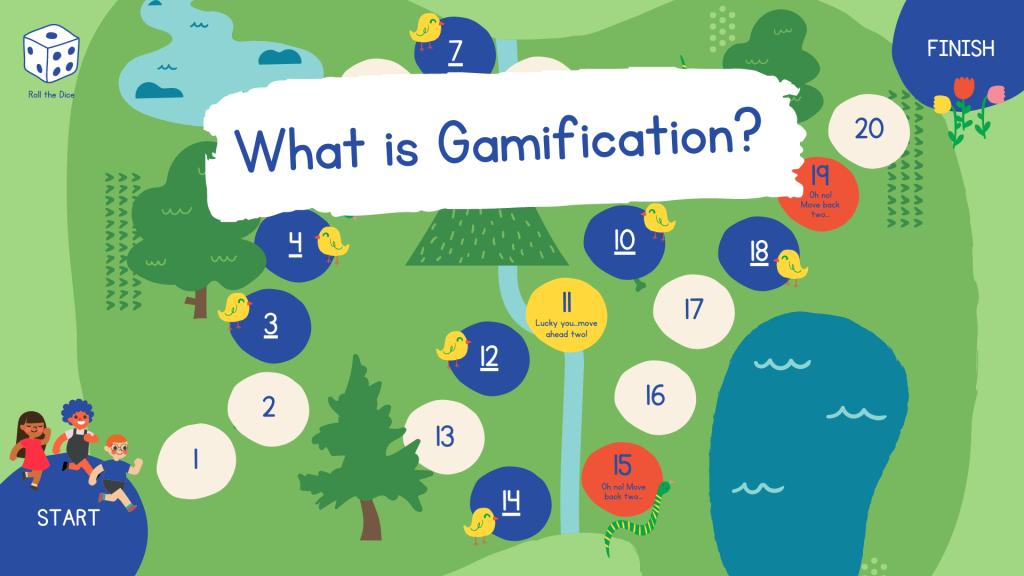
Using gamification in marketing initiatives, mobile applications, and social media networks can be a very effective tool. In this article, we’ll explore the concept in detail, discuss the difference between games and gamification, examine the elements and mechanics of games, and dive deep into intrinsic and extrinsic motivation. Finally, we’ll explore platforms and strategies that game designers can use to increase customer loyalty, improve user experience, and enhance real-world engagement. What is gamification? Gamification is the process of integrating game elements, mechanics, and design into non-game contexts to increase engagement, motivation, and participation. The purpose of gamification is to make an activity more engaging by adding game elements such as points, badges, leaderboards, and challenges. You can use it in marketing campaigns, learning environments, and mobile games. Gamfed defines gamification as follows: Gamification is the process of enhancing products, processes or services with motivational elements known from games in order to invoke gameful experiences and shape behavior Gamfed Games vs. Gamification Although games and gamification share some commonalities, they are distinct concepts. Games are standalone experiences that have specific rules, objectives, and outcomes. On the other hand, gamification involves integrating game elements into non-game contexts. In other words, games are complete experiences, while gamification is the process of adding game elements to enhance an existing experience. Elements and Mechanics of Games To understand gamification, it’s essential to first understand the elements and mechanics of games. There are many elements that define a game, but the most critical elements are rules, objectives, and challenges. Rules define the boundaries and limitations of a game, while objectives give players a clear goal to work towards. Challenges create the necessary tension and difficulty needed to make a game engaging. Game designers use mechanics to create experiences that motivate and engage players. Game mechanics are the tools and systems that designers use to create meaningful interactions and experiences. Some examples of game mechanics include feedback, points, badges, achievements, and leaderboards. Game Thinking Game thinking refers to the incorporation of game mechanics and elements into non-game contexts to create engaging and meaningful experiences. By incorporating game elements, designers can increase user engagement, motivation, and participation. As a result, users are more likely to be engaged and invested in the experience. Motivation In discussing motivation, two essential concepts are intrinsic and extrinsic motivation. Intrinsic motivation refers to the natural drive that comes from within oneself to engage in a particular activity, driven by the internal rewards of the activity, such as a sense of accomplishment or satisfaction. On the other hand, extrinsic motivation is driven by external rewards, including prizes, bonuses, or other tangible rewards given to an individual for completing a task or achieving a certain level of success. Intrinsic and extrinsic motivation can be useful in this context. By understanding the difference between the two, designers can tailor their approaches to better engage their audience. Additionally, understanding the different types of motivation can help designers create experiences that are both enjoyable and rewarding for users. You can use gamification to enhance marketing campaigns by creating interactive experiences that encourage customer participation. Businesses can create games or challenges that reward customers. For example, they can reward customers for sharing content on social media or referring friends to the business. Mobile Games Mobile games have become one of the most popular ways to incorporate gamification elements into a product or service. You can use games to increase engagement, retain users, and generate revenue through in-app purchases or advertising. Customer Loyalty Programs You can also use Gamification to increase customer loyalty by creating rewards and challenges that encourage repeat business. For example, a coffee shop might create a loyalty program that rewards customers for purchasing a certain number of drinks or visiting the shop at certain times of the day. Game-Based Learning Education is another use of gamification by creating game-based learning experiences. This approach uses game elements to create engaging and interactive learning experiences that help students retain information and improve their skills. Gamification Strategy A successful strategy involves understanding the needs and desires of your users and incorporating game elements that align with those needs. A successful strategy also involves setting clear goals, defining the rules and mechanics of the experience, and creating engaging challenges that motivate users. The ultimate strategy is to create a meaningful and engaging experience that keeps users coming back. Benefits of Gamification Gamification can provide a range of benefits, including increased engagement, improved learning outcomes, and increased customer loyalty. By tapping into intrinsic motivators and providing users with a sense of accomplishment, it can create powerful experiences that keep users coming back for more. Gamification Platforms Gamification platforms are software tools that game designers can use to create engaging experiences. Moreover, these platforms provide designers with the necessary tools and mechanics to create experiences that motivate and engage users. Some examples of gamification platforms include Gametize, Funifier, Badgeville, Bunchball, and Gameffective. You can use different platforms in a variety of contexts, from customer loyalty programs to employee training programs. Gamification is a powerful tool for increasing engagement and motivation in a range of contexts. By incorporating game elements and mechanics into non-game contexts, businesses can create engaging experiences that keep users coming back for more. Whether it’s a marketing campaign, a mobile game, or a customer loyalty program, gamification can help businesses achieve their goals and create lasting relationships with their customers.

What is Gamification? Read More »

Project Management Guide: What is PM, How to Work as Project Manager

Project Management Guide What is Project Management & How to Work as Project Manager

In this Project Management Guide, I have refined the knowledge and expertise I gained from both the Google Project Management certification program and my real-life experiences as a project manager. The guide offers practical tips and advice that can help you overcome common project management challenges and achieve success in your projects. I recently started attending Google’s professional certificate program in project management, and it is currently helping me to enhance my project management knowledge. The Google Professional Certificate consists of six fundamental courses that focus on topics like: Project management fundamentals; Goals, objectives, and deliverables; Risk management; Team dynamics; Project management methodologies; Data-driven decision making; and more. It is well-structured, focused, and informative, with plenty of hands-on experience. As I move forward in the course material, I realized that if I shared my knowledge with more people, it would remain more intact even after a while. Long story short, here I am. Of course, my goal here is not to explain the training program itself, but rather the information it provides. To summarize, I strongly advise anyone interested in a career in project management to pursue it. There is a lot to know about project management and starting out in this field can be difficult, which is why this project management series aim to teach you about what exactly project management is, how to make the transition from your current career into the field of project management, and some of the types of job roles a project managers might do. If you’re interested in a career in project management, here’s a quick guide to what project managers do and how you can become one. What is a project management career? A project management career is a very attractive proposition for many people. This position requires planning, organizing, and controlling resources in order to achieve specific goals and objectives. Project management is a demanding profession, but it can also be extremely rewarding. Here’s everything you need to know about pursuing a project management career. The Project Management Institute is the leading association for those in project, program, or portfolio management professions. The Scrum Guide defines Scrum, a technique used in Agile project management.But let’s define the term project management first: What exactly is project management? Briefly, Project Management is the application of knowledge, skills, tools, and techniques to meet the project requirements and achieve the desired outcome. (Source: APM) According to the (PMI) Project Management Institute’s Job Growth and Talent Gap Report, the project management labor force in seven project-oriented sectors is expected to grow by 33 percent, or nearly 22 million new jobs, by 2027* So having an official PMP or even CAPM certificate is very important to pursue a job in the project management career. In order to pursue a career in project management, it is important to have a clear understanding of what the role entails. How to Gain Your PMP Certification Earning your PMP Certification requires dedication, which is why it is so valuable. Do you have successful real-world project management experience? You’ve completed the most difficult part. Before applying, ensure that you meet the following PMP Certification requirements: — OR — What qualifications do I need? Pursuing a career in project management typically requires a bachelor’s degree in a relevant field such as business administration or engineering. Besides, many employers also value experience and seek candidates with several years of experience working in projects. Furthermore, it involves setting clear objectives, assigning responsibility for each task, and ensuring that everyone is working towards the same goal. In addition, you must be able to effectively communicate with all members of the project team, as well as stakeholders. As a project manager, you’ll also need to track progress and report back to clients or shareholders on the status of the project. Good project management skills are essential for keeping things on track and meeting deadlines. Hence, it is essential to have a deep understanding of how to effectively manage both people and resources. What does a project manager do in practice? A project manager is a professional who is responsible for planning, organizing, and directing the work of a team to achieve a specific goal. In practice, project managers often have a wide range of roles and responsibilities. You, as the project manager, may be in charge of maintaining the entire project from start to finish, or you may be brought in at particular points to provide guidance and ensure that the project stays on track. However, it is important to note that a project manager is responsible for ensuring that a project is completed on time, within budget, and to the required standards. In either case, you will typically have a deep understanding of how to effectively manage both people and resources. For example, you will use this knowledge to develop schedules, set milestones, and monitor progress. Furthermore, you will work closely with other members of the team to identify risks and potential problems so that they can be addressed quickly. Nonetheless, despite being a professional with vast responsibilities, you should always be able to effectively communicate with all members of the project team, as well as stakeholders. Project management is a critical skill in today’s business world. With the ever-increasing complexity of projects, more and more organizations are turning to project managers to help them get the job done right. How does one structure the project team? A project manager is responsible for defining the project team and its structure. The project team is typically composed of a group of individuals with various skillsets who work together to complete the project. The project manager is responsible for ensuring that the team works together efficiently and effectively to complete the project. Different types of roles for different types of career paths There are different types of roles for different types of career paths. For project management, there are different types of roles such as product manager, project manager, operations manager, program manager, portfolio manager, software development manager etc. Sometimes the position itself

Project Management Guide: What is PM, How to Work as Project Manager Read More »

Project Charter Creating for Your Projects

Project Charter Creating for Your Projects

Creating a project charter is essential for managing and tracking a project. It helps to identify who is responsible for what, assigns deadlines, and sets expectations. It’s time to get project planning underway! And what better way to start than by learning about the essentials of a project charter? It’s essential for every project — big or small — to ensure effective and efficient project management. In this reading, I’ll try to explain everything you need to know about creating a good one. From understanding a project document to understanding its various components, you’ll be well on your way to ensuring successful project outcomes. Thanks for reading! How to create a good project charter? Creating a good project document is key to ensuring that your project succeeds. This document outlines the critical components of a project — from its purpose to who will be responsible for it. While creating the charter, it’s important to keep stakeholders in mind — ensure the document is clear and concise so everyone understands what needs to happen. This document helps you organize vital project information and communicate it effectively to stakeholders. Knowing how to create it, is one of the essential skills of a PM. A project charter is your first formal agreement with your customer, so it’s something that should be carefully crafted and reviewed before delivery. Additionally, ensure that all stakeholders are on board with the plan from the beginning to be aware of their responsibilities. Because you are preparing this document during the initiation phase, you will write a draft initially. Still, following email and video conversations with stakeholders, there will be room for adjustments to ensure it will guide you to your project goals. What is a Project Charter? This is a formal document that clearly defines the project and outlines the necessary details to reach the project’s goals. You, as project manager, create it during the initiation phase, which is the first phase of the project life cycle. Projects can be a lot of work, and ensuring that stakeholders are on board from the beginning is key to success. That’s where this project document comes in — a document that helps you organize your project and ensure everyone is satisfied with the final product. By following these simple steps, you can create an effective document to help you navigate the project smoothly. As the document outlines vital project milestones and requirements, it also helps to clarify who is responsible for completing the project and when it will start. So, get started on your next big project — with a project charter, everything will run more smoothly! What are the components of a project charter? Projects can be a lot of work, and the last thing you want is to get bogged down in details. It contains key information about a project, like the summary, goals, and deliverables. A good project charter should be concise but detailed enough to provide clarity to all stakeholders. When creating your document, consult with an advisor or team member before starting work on the project. Here are some of the guiding questions: The primary components of the charter: Summary The summary aims to provide an overview of the project and outline the goals you hope to accomplish. Summaries should be brief — just a few sentences at most and to the point; after the summary comes project goals and deliverables. Goals Deliverables Deliverables are specific tasks and tangible (or intangible) outcomes that enable the team to meet project goals. Consider words like output, outcomes, delivery, tasks, and responsibility. Scope Scope refers to the boundaries of the project. In other words, an agreed-upon understanding of what is included or excluded from a project. This includes understanding precisely who will be delivered the project and who will use the project’s end result. You must also have a good understanding of the project’s complexity. Is it simple, with an achievable task list? Or will a lot of work, many iterations of approvals, and a large-scale procedure that will take years to finish be required? The project’s scope also includes the schedule, cost, and resources. You must clearly define these in order to ensure that you are working inside those constraints and that the project is genuinely feasible. Poorly specified scope or significant modifications to your scope might cause budget, timing, or even project outcome issues. Benefits & Costs Answer the below questions when determining the benefits and costs of this project: Appendix You can include misalignments here for future references. A charter can also include other sections, such as budget, costs, risks, KPIs, stakeholders, and success metrics. Here you can see a typical project charter example: Why do you need a project charter? Creating a project charter is essential for any project — big or small. It helps to ensure that everyone involved with the project is on the same page, understands their role and the timeline, and is aware of the project’s objectives, goals, and deliverables. It’s also a document that can help project management, assurance, and legal teams. Keep in mind: What are the benefits of having a project charter? Project charters are valuable because they provide clarity around what needs to be done. They can also help you organize your thoughts by defining what actions will be taken on behalf of your organization or client base. Projects can be a lot of work, and ensuring everyone is on the same page and accountable for their part can make the process much smoother. It ensures that all stakeholders are on board with the project’s vision and objectives and that everyone knows what is expected of them. Having a project charter in place helps to ensure that the project is successfully completed and that all stakeholders are happy with the final product. By being clear from the start, misunderstandings and potential conflicts can be avoided. To conclude, a well-written project charter will give you insight into how others perceive your projects, which can help shape future efforts for greater success. Also,

Project Charter Creating for Your Projects Read More »

Project Management Life Cycle: The Five Stages (Process Groups)

The Five Stages (Process Groups) of Project Management Life Cycle

The Project Management Life Cycle is a systematic process for managing the tasks involved in a project. It outlines the activities that people need to perform and the order in which they should perform them. This ensures that people complete a project within budget and on time. APM defines this process as below: A project management life cycle is a framework comprising a set of distinct high­-level stages required to transform an idea of concept into reality in an orderly and efficient manner. Please refer APM Website for more info The cycle typically consists of five distinct stages: initiation, planning, execution, monitoring and controlling, and closure. First Stage of the Project Management Life Cycle: Project Initiation The first stage of the project management life cycle is initiation. This is when the project is first conceived and planned. The project manager works with the team to develop a project plan and budget. They also identify the resources needed and create a schedule. This stage also includes risk assessment and feasibility studies. This is the launchpad for the entire process of your project. In this phase, you’ll define project goals and deliverables, identify the budget and resources you’ll need, the people involved in your project, and any other details that can impact the successful completion of your project. You’ll document all this information in one place to showcase the project’s value, and hopefully get approval to move forward with it. Let’s get rolling once the project receives approval. In this phase, ask questions to help set the foundation for the project, such as: Here are some important steps: ▹ Executive summary ▹ Project goal ▹ Deliverables ▹ Business Case / Background ▹ Benefits, Costs, and Budget ▹Scope and Exclusion ▹ Project Team ▹ Measuring Success 2. Project Planning The first stage of the project management life cycle is project planning. This stage is where the project manager develops a detailed plan for the project, including its scope, objectives, timeline, and budget. It involves defining the project goals and objectives, and determining the steps to achieve them. Senior management receives a project charter or proposal that gets submitted for approval. The project manager identifies the resources that the project will need to complete. In the planning phase, you’ll develop an integrated set of plans that will direct your team through every phase of the project. You’ll create detailed work breakdown structures (WBS) — documents that show how activities relate to one another within a project — as well as define activities associated with each WBS task or activity. You’ll also identify risks that could affect your ability to meet deadlines or otherwise meet objectives, develop contingency plans for handling these risks should they occur, and determine quality control requirements throughout all project stages. Step-by-step list of the planning phase In this phase, make a plan to get your project from start to finish. Here is a list of my notes from my learnings: 3. Project Execution: Running the Project After creating the project plan, it’s time to start executing it. This is where the rubber meets the road and where all of your hard work in the previous stages pays off. During project execution, you’ll be working with your team to complete the tasks that have been laid out in the project plan. This is typically the longest and most difficult stage of the project management life cycle, as it can be easy to get bogged down in the details. However, by staying focused on the goal and keeping communication open with your team, you can ensure a successful project execution. In this phase, as a successful project manager put all of your hard work from the first two phases of project management into action. These are the key steps for the execution phase: 4. Project Monitoring Project monitoring is the fourth stage of the project management life cycle. It begins after the execution phase is complete and ends when the project is closed. The purpose of project monitoring is to track progress, identify variances, and take corrective action as needed to keep the project on track. Remember, monitoring the project means keeping an eye on things like milestones, budget allocation, stakeholder management, priorities, and making sure that all quality deliverables are on time and according to the plan. Project monitoring involves several activities. First, tracking milestones, reviewing deliverables, and checking for quality assurance. Next, if necessary fine-tuning priorities and managing changes. Furthermore, it involves communicating with internal and external stakeholders to keep them informed of project progress and get their feedback. In this phase, you will be tracking your progress against your original plan and making adjustments to ensure that you meet your schedule and budget goals.The purpose of this phase is to ensure that your team is keeping its commitments. On the other hand, it is essential to monitor your progress toward completing tasks within time and budget constraints. Moreover, it ensures customer satisfaction. Tools to evaluate whether a PM is meeting these objectives or not: Analyzing variances between planned and actual expenditures for materials, labor hours, etc., so that cost overruns can be identified early enough to take corrective action before they become serious problems. Last Stage of the Project Management Life Cycle: Project Closure Project closure is the last stage of the project management life cycle. Once all the work is completed and the objectives have been met, the project is officially closed. Prepare and submit the final report and make any payments that are still due. The project manager then archives all the project documents and closes out the project in the system. Project closing consists of the process performed to formally complete the project, the current phase, and contractual obligations. The first thing you should know is that completing a project is not the same thing as closing a project. Just because a project is done doesn’t mean it’s closed. In a restaurant, just because you’ve ordered your meal and finished it, doesn’t mean your dining

Project Management Life Cycle: The Five Stages (Process Groups) Read More »

10 Essential Tips for Effective Project Management

10-essential-tips-for-effective-project-management

Project management is leading a team to achieve specific goals and objectives within a defined timeline and budget. Effective project management is crucial for the success of any project, whether it is a small or large-scale project. In this blog post, we will discuss the ten essential tips for effective project management. 1. Defining Clear Goals Setting clear and well-defined goals is crucial for project success. SMART (specific, measurable, achievable, relevant, time-bound) goals are a great way to define clear objectives that can be easily tracked and measured. This approach helps the team stay focused and aligned towards the common goals. ✅ Actionable Tip: Set SMART goals (specific, measurable, achievable, relevant, time-bound)❌ Mistake To Avoid: Setting Vague or Unrealistic Goals Setting vague or unrealistic goals is a common mistake that can lead to project failure. Specifically, vague goals lack clear direction, making it difficult to track progress and measure success. On the other hand, unrealistic goals set unrealistic expectations that are impossible to achieve, leading to disappointment and frustration among the team members. Therefore, it’s essential to set clear and achievable goals to ensure the success of any project. According to a study by ClearCompany, employees who understand their company’s goals are 70% more likely to be engaged. 2. Effective Communication: Effective communication is essential for project success. Establishing clear communication protocols and channels helps to ensure that everyone is on the same page and can access information quickly and efficiently. Communication protocols should include guidelines for meetings, reporting, and feedback.A study by the Project Management Institute found that ineffective communication is the leading cause of project failure. ✅ Actionable Tip: Establish Communication Protocols and Channels ❌ Mistake To Avoid: Lack of Communication or Unclear Communication Lack of communication or unclear communication is one of the leading causes of project failure. Poor communication can lead to misunderstandings, missed deadlines, and project delays. Effective communication requires active listening, clear messaging, and timely feedback. Example: Making the Movie “The Avengers”: The production of “The Avengers” involved a large team of actors, directors, and technicians. Effective communication was crucial to ensure that everyone was working towards the same goal and could access information quickly. 3.Thorough planning Thorough planning is crucial to project management success. It involves breaking the project down into manageable tasks, estimating timeframes, and identifying potential risks and obstacles. This allows project managers to allocate resources and manage the project effectively. ✅ Actionable tip: Break the project down into manageable tasksBreaking a project down into smaller tasks makes it easier to manage and control. Similarly, it also helps team members to understand what is expected of them and what their roles are in the project. Use a work breakdown structure (WBS) to divide the project into smaller, more manageable components. ❌ Mistake to Avoid: Failing to identify potential risks or obstacles Not identifying potential risks or obstacles can lead to project failure. Project managers should conduct a risk assessment to identify potential problems that could impact the project. Also, they should develop contingency plans to minimize the impact of these risks if they occur.  According to a study by PwC, only 2.5% of companies complete 100% of their projects successfully. This statistic highlights the importance of thorough planning in project management. By breaking down the project into manageable tasks and identifying potential risks and obstacles, project managers can increase the chances of project success. 4. Stakeholder management Stakeholders are individuals or groups who have a vested interest in the outcome of the project. It’s essential to identify and prioritize meeting stakeholders’ needs and expectations early on in the project. This includes not only customers and end-users but also internal stakeholders such as team members and project sponsors. ✅ Actionable tip: Identify and prioritize stakeholders based on their level of influence and interest in the project. Develop a stakeholder management plan that outlines how to keep stakeholders informed and engaged throughout the project lifecycle. ❌ Mistake to avoid: Failing to keep stakeholders informed or manage their expectations can lead to dissatisfaction, delays, and even project failure. It’s important to communicate regularly with stakeholders and address their concerns promptly. A study by PMI found that high-performing organizations meet stakeholder needs 80% of the time, while low-performing organizations only meet stakeholder needs 36% of the time. 5. Regular progress monitoring To ensure the project is on track and to address any issues or delays promptly, it is crucial to monitor progress regularly. This involves establishing regular check-ins and progress reports to keep the team and stakeholders informed. ✅ Actionable tip: Establish a regular check-in schedule with the team and stakeholders to review progress and identify any issues or risks. Develop progress reports that communicate project status, risks, and next steps. ❌ Mistake to avoid: Failing to monitor progress regularly can lead to delays, missed deadlines, and project failure. It’s important to identify and address issues early on before they become bigger problems. 6. Task prioritization Task prioritization is essential to ensure that the most important tasks are completed first and that team members are working efficiently. It involves using priority matrices or other tools to prioritize tasks based on importance and urgency. ✅ Actionable tip: Use priority matrices or other tools to prioritize tasks based on importance and urgency. Develop a task prioritization plan that outlines how to allocate resources and address potential conflicts. ❌ Mistake to avoid: Failing to prioritize tasks based on importance and urgency can lead to wasted time and resources and delays in completing the project. 7. Adaptability Projects can face unexpected changes or obstacles that require a shift in strategy or direction. Being adaptable and having contingency plans in place can help mitigate risks and keep the project on track. ✅ Actionable tip: Develop contingency plans for potential risks and obstacles. Build in flexibility to the project plan to allow for changes or adjustments as needed. ❌ Mistake to avoid: Failing to anticipate potential changes or obstacles can lead to delays, cost overruns, and project failure. It’s important

10 Essential Tips for Effective Project Management Read More »

Scroll to Top