
TLDR
- Sponsors and customers often ask the same two things: what is done, and what is left.
- A communication plan only works when someone executes it on the promised day.
- Tailor the message. Confirm it landed. Update the plan when it stops working.
One of the most common complaints I hear from sponsors and customers, even on projects that are otherwise under control, is some version of this:
No one told me.
No one is telling me. I was not given the information.
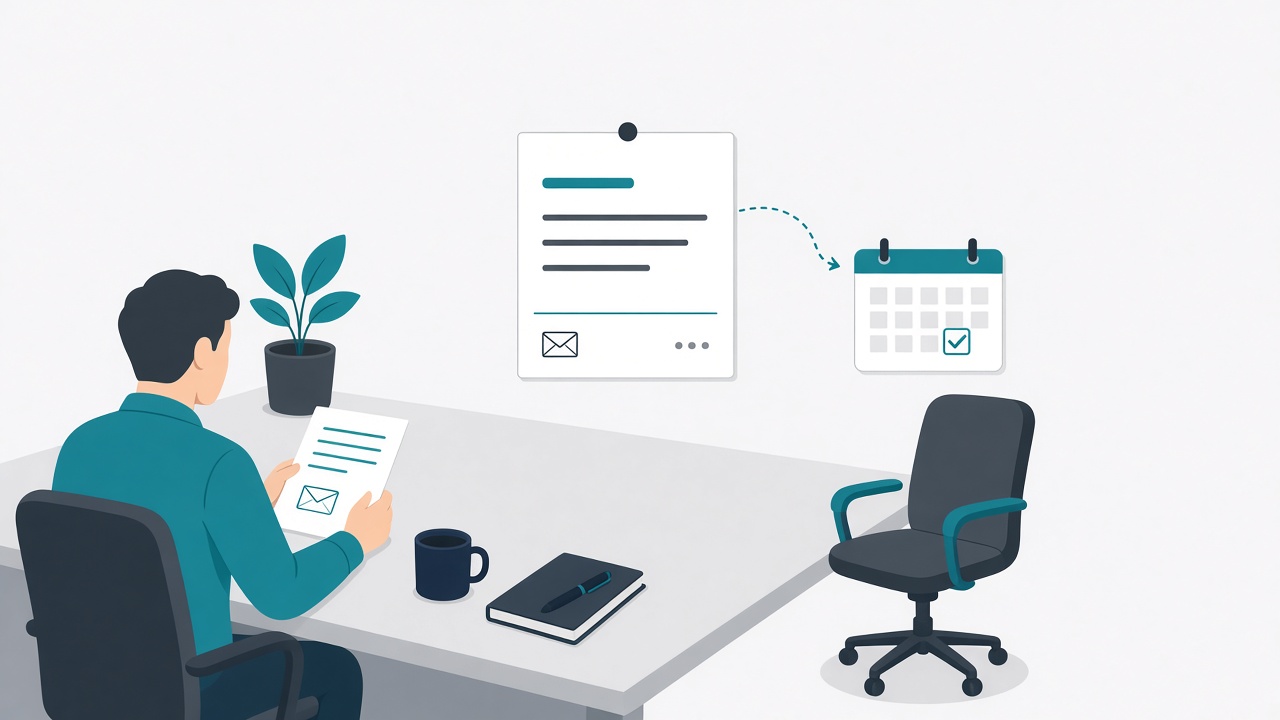
That sentence rarely means “there was no spreadsheet somewhere.” It means the person who needed the update did not get it in time, in a form they could use, through a channel they actually open.
In sponsor rooms, that gap destroys trust faster than a missed task. Delivery can be fine. The relationship still feels broken.
Communication Management Is Execution
Most projects already have a communication management plan, or at least an agreement that looks like one: who gets what, how often, and in what format.
Managing communication is not rewriting that plan every week. It is running it.
If the plan says Bob gets a report on Friday, Friday’s job is to get Bob the report. If Mary needs an overall status on Thursday, Thursday is for Mary. If the vendor meeting sits on Monday, Monday is for that conversation.
The process sounds obvious. The failure mode is also obvious: the plan lives in a folder, while the week fills with firefighting, and the sponsor finds out late.
What the Work Actually Is
In practice, managed communication is a loop:
- Collect what happened
- Turn raw data into something readable
- Distribute it to the people named in the plan
- Store and retrieve it when someone asks again
- Watch whether the information is still useful
- Decide what stays, what gets closed, and what no longer needs airtime
Work performance data becomes a status story only when someone shapes it. Stakeholders do not need every log line. They need a clean flow between the team and the people holding budget, risk, and decisions.
The Two Questions Sponsors Keep Asking
Across digital delivery rooms, sponsors and customers usually circle the same two questions:
- What have you done?
- How much is left?
If you answer those clearly, on the cadence you promised, many other complaints soften. If you bury them under jargon or skip a cycle “because nothing big happened,” you recreate the “no one told me” moment.
Silence is still a message. It is just the wrong one.
Do Not Send One Message to Everyone
Generic communication is easy to draft and hard to receive.
Technical teammates may need detail. A sponsor usually needs progress, risk, decisions, and trade-offs in plain language. A vendor may need actions, dates, and dependencies. Same project. Different audiences.
Tailoring is not decoration. It is competence: match attitude, knowledge, and role. Push when people need a nudge. Meet when the topic needs interaction. Use a portal when people should pull on their own schedule. Confirm that the message was received and understood. One-way broadcast is how “I sent it” and “no one told me” can both be true.
Use the Logs You Already Keep
You do not need a new ceremony for every update. Much of what sponsors ask about already sits in project documents:
- Change log: where their request stands
- Issue log: what is open and what moved
- Risk view: what exposure they should see now
- Quality signals: whether the work is still fit for purpose
- Lessons: which communication patterns worked last time
When someone asks for a change, they also need to hear whether it will land. When they raise an issue, they need status, not only empathy. Communication management is often the act of connecting those records to the people named in the engagement plan.
When the Plan Stops Working, Change It
If the Thursday report never gets read, keep sending it only if you enjoy talking to an empty room. Update the approach. Change format, owner, frequency, or channel. Update stakeholder engagement notes as relationships shift.
Meetings are part of this toolkit, not a substitute for it. A weekly call that produces no decisions and no follow-through is still a communication failure, just a louder one. Related habits for agendas and minutes live in meeting management.
Why it matters
Weak updates do more than annoy people.
- Decisions wait
- Old debates come back
- Small issues turn into escalations
Strong updates do the opposite. The work can still be hard. The room feels calmer.
Under pressure, the steps are easy to skip:
- Collect
- Shape
- Send
- Confirm
- Adjust
The goal is not a nicer template.
The goal is simple: the right people know what finished, what is left, and what they must decide next.
If the hard part is the person, not the update, read difficult sponsors.